



To view this video, please enable marketing cookies from Cookie Preferences in the footer.

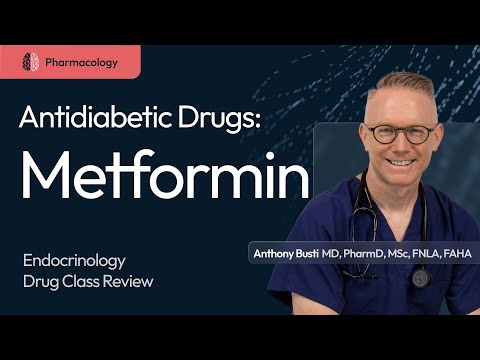
Metformin is a first-line oral medication for type 2 diabetes. In this lecture from This is Why, Dr. Busti will explain how metformin works to lower the A1c and help patients with type 2 diabetes get to their A1C goals.
You’ll learn how to:
- Metformin mechanism of action (MOA): how biguanides lower glucose and improve insulin resistance
- Where metformin fits in type 2 diabetes therapy (first-line option and combination use)
- Key clinical benefits (A1C lowering, weight neutrality/possible weight loss)
- Dosing basics and titration strategies (including extended-release considerations)
- High-yield adverse effects: GI effects, vitamin B12 concerns, and the real story on lactic acidosis
- Contraindications and precautions (renal function, acute illness, contrast studies, alcohol use)
- Monitoring and patient counseling points you should know for practice and exam
The goal = make medical education easy and clinically relevant.
Chapter Table of Contents
00:00 Intro: Biguanides Overview (Metformin)
01:07 Episode Roadmap: Agents → Uses → Net Benefit → Mechanism → Pearls
01:36 Key Agent: Metformin (IR vs ER, combos) + Phenformin History
02:41 Indications: Type 2 Diabetes + Adjunct to Diet & Exercise
03:10 Other Uses: Antipsychotic Weight Gain, GDM, PCOS, Prediabetes
03:49 Net Benefit: Cost-Effective, A1C ↓ up to 2%, Weight Loss, Low Hypoglycemia
05:05 Mechanism: ↓ Hepatic Glucose Production (Hepatic Gluconeogenesis)
09:28 PK/Safety: Renal Elimination + Lactic Acidosis “Black Cloud” Context
10:59 Place in Therapy: Still Viable First-Line/Combo Despite Newer Agents
20:07 Dosing Pearls: Titrate to Tolerability; ER Often Better; Max Effective 2000 mg
22:18 Renal Cutoffs: eGFR 45–60 OK, 30–45 Dose Caution, <30 Avoid
28:45 Monitoring & Counseling: A1C, Renal Function, Vitamin B12 + GI Tolerance Tips
If this helped you, please like, subscribe to our YouTube Channel, and share it with a classmate or colleague. That will help this new channel continue producing free, high-yield medical education content.
Don’t forget to turn on notifications on YouTube so you don’t miss upcoming lectures in pharmacology, medical rounds, and more!
#metformin #type2diabetes #diabetespharmacology #biguanide #busti
Speaker:
Anthony Busti, MD, PharmD, MSc, FAHA, FNLA, is a licensed healthcare professional and medical educator with over 30 years of experience in clinical practice and academic teaching. He has trained and practiced as a nurse, pharmacist, and physician, bringing a uniquely comprehensive perspective to patient care and medical education.
Dr. Busti is dedicated to advancing evidence-based medicine and helping clinicians understand the underlying “why” behind clinical decisions to improve patient outcomes.
About This Channel:
This content is created by Anthony Busti, MD, PharmD, MSc, FAHA, FNLA, a board-certified physician with training at Johns Hopkins School of Medicine and University of Oxford and a medical educator for healthcare professionals and students. All material is based on current medical literature and evidence-based guidelines that align with principles of evidence-based medicine (EBM) and Evidence-Based Healthcare (EBHC).
Disclaimer:
This content is for educational purposes only and is not medical advice. It does not replace individualized evaluation, diagnosis, or treatment. Always seek the advice of a qualified health provider with questions about a medical condition and never delay care because of educational content.
More than just access—it’s where understanding deepens.
Create a free account or log in to gain access to this content!


Related Topics