







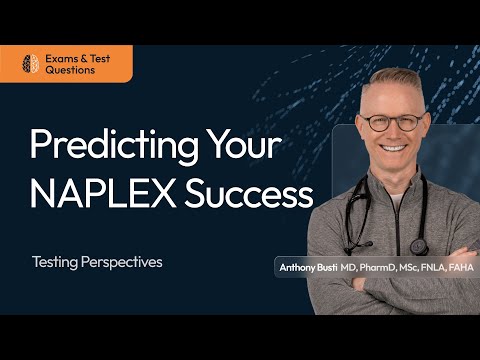
To view this video, please enable marketing cookies from Cookie Preferences in the footer.

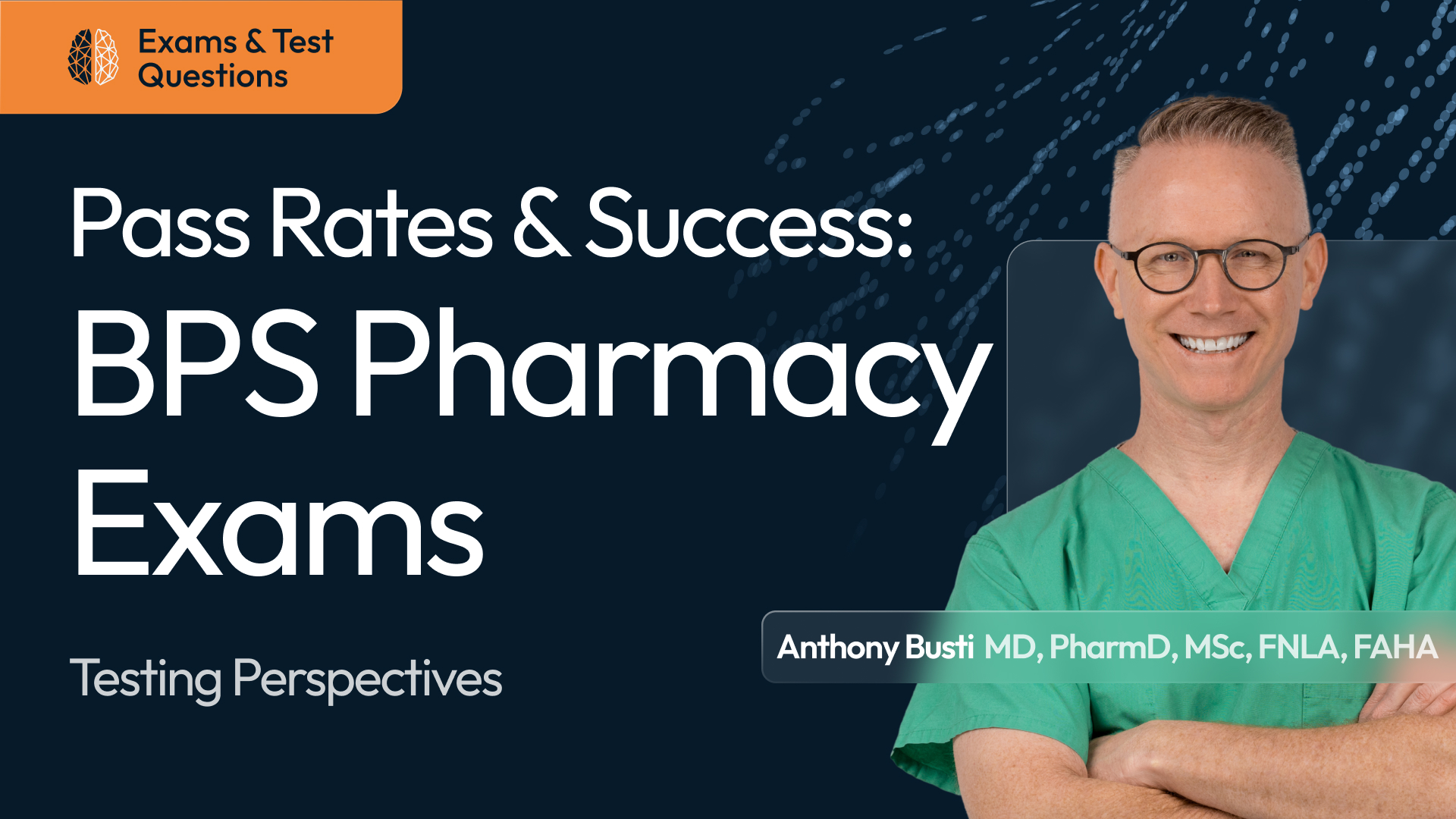
In this episode of This Is Why, Dr. Busti examines what truly predicts success on the NAPLEX — and how you can use those factors to pass on your first attempt. Drawing from published research and years of experience mentoring students and residents, he explains which academic, personal, and timing factors most strongly correlate with higher pass rates — and which ones are actually under your control.
You’ll learn how to evaluate your readiness, what metrics matter most (like GPA, study timing, and test practice), and how to strategically adjust your study plan to align with proven predictors of success.
TOC
00:00 – Welcome and purpose of this episode
00:01:41 – Key predictors of NAPLEX success
00:04:27 – Why timing and study habits matter most
00:05:27 – How school and environment influence outcomes
00:07:21 – Building your readiness and test strategy
00:08:57 – Final encouragement and next steps
Speaker:
Anthony Busti, MD, PharmD, MSc, FAHA, FNLA, is a licensed healthcare professional and medical educator with over 30 years of experience in clinical practice and academic teaching. He has trained and practiced as a nurse, pharmacist, and physician, bringing a uniquely comprehensive perspective to patient care and medical education.
Dr. Busti is dedicated to advancing evidence-based medicine and helping clinicians understand the underlying “why” behind clinical decisions to improve patient outcomes.
About This Channel:
This content is created by Anthony Busti, MD, PharmD, MSc, FAHA, FNLA, a board-certified physician with training at Johns Hopkins School of Medicine and University of Oxford and a medical educator for healthcare professionals and students. All material is based on current medical literature and evidence-based guidelines that align with principles of evidence-based medicine (EBM) and Evidence-Based Healthcare (EBHC).
Disclaimer:
This content is for educational purposes only and is not medical advice. It does not replace individualized evaluation, diagnosis, or treatment. Always seek the advice of a qualified health provider with questions about a medical condition and never delay care because of educational content.
More than just access—it’s where understanding deepens.
Create a free account or log in to gain access to this content!
Dive Deeper
Bonus Video (ad free)

To view this video, please enable marketing cookies.
Downloads
Dive Deeper
Bonus Video
Downloads
Related Topics




.jpg)

.jpg)


